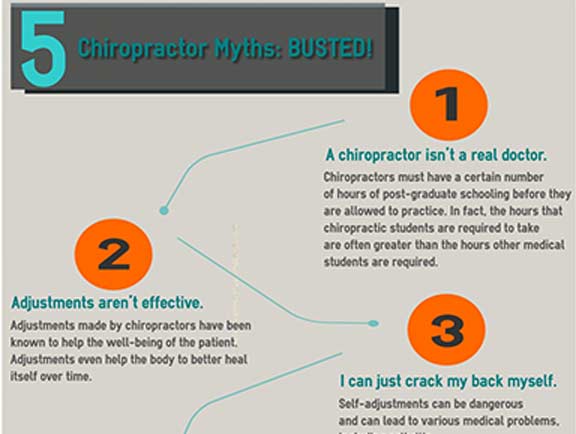
When you explore the differences in between integrative and conventional medicine, you'll locate 2 unique viewpoints at play. Traditional medicine concentrates on treating particular symptoms via evidence-based practices, while integrative medication takes an all natural technique, resolving the mind, body, and spirit. Each approach has its very own unique advantages and restrictions that can impact individual care. Comprehending these differences is important for making informed decisions regarding your health and wellness and well-being. What might benefits of chiropractic care during pregnancy indicate for your personal health and wellness trip?
Thoughtful Structures of Integrative and Conventional Medication
While you may think about medicine as simply a science, both integrative and traditional methods are rooted in distinctive thoughtful structures that form their practice.
Conventional medication focuses on the biological and physical elements of wellness, highlighting evidence-based treatments and standard methods. It typically watches the body as a device, aiming to fix problems via targeted treatments.
In contrast, integrative medicine takes an all natural technique, recognizing the interconnectedness of mind, body, and spirit. It values patient-centered treatment, considering psychological and environmental variables along with physical signs.
This approach encourages partnership in between different healing modalities, cultivating a more tailored therapy experience.
Understanding these fundamental distinctions aids you value how each technique influences person treatment and end results in special ways.
Treatment Methods: A Relative Evaluation
When comparing therapy methods in integrative and standard medication, you'll discover distinctive techniques that reflect their hidden viewpoints.
Standard medication mainly counts on drugs and medical treatments to address certain signs and symptoms and diseases. It typically focuses on a quick resolution, using evidence-based protocols to guarantee consistency and efficacy.
In contrast, integrative medicine takes a much more holistic technique, combining conventional treatments with alternative treatments like acupuncture, herbal medicine, and mindfulness methods.
You'll see that it stresses treating the whole individual-- body, mind, and spirit-- as opposed to simply the signs and symptoms. This method urges prevention and wellness with lifestyle adjustments and helpful therapies, inviting you to proactively join your healing trip.
Each modality provides one-of-a-kind devices tailored to various individual demands.
Possible Benefits and Limitations of Each Approach
Both integrative and standard medication offer distinct benefits and challenges that can affect your healthcare journey.
Integrative medication concentrates on the entire person, stressing avoidance and health through way of life modifications, nourishment, and corresponding therapies. This alternative approach can improve your total wellness and may reduce tension. Nonetheless, it might lack the rigorous clinical backing that standard treatments offer.
On the other hand, standard medicine excels in identifying and treating severe problems with evidence-based methods, making sure fast treatments. Yet, it can occasionally overlook the emotional and mental aspects of health and wellness.
Ultimately, understanding these advantages and constraints can help you pick the best path customized to your demands, whether you lean in the direction of integrative approaches, standard therapies, or a combination of both.
Conclusion
In recap, both integrative and traditional medicine deal unique advantages and methods to medical care. While standard approaches supply evidence-based therapies for specific signs and symptoms, integrative medicine highlights an all natural view, concentrating on general health. Comprehending these crucial differences can aid you make notified choices concerning your health and wellness. By considering your individual demands, you can choose the technique that resonates finest with you, inevitably resulting in a more customized and effective health care experience.